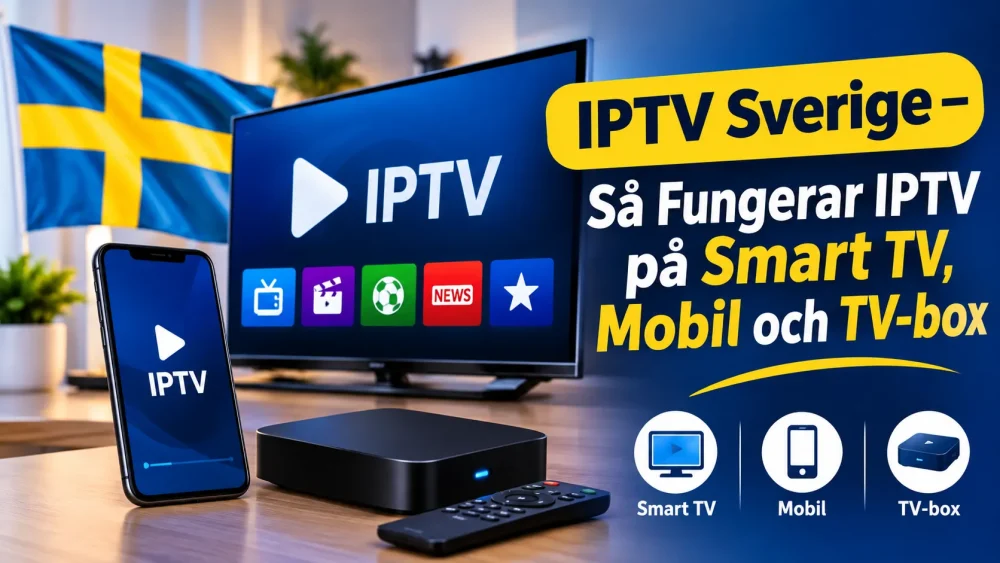
The way people watch television has changed dramatically over the last decade. Traditional viewing habits are increasingly being replaced by flexible streaming solutions that allow users to enjoy their favorite content whenever and wherever they choose. Among the most popular devices for modern viewing is the tablet, offering an ideal balance between portability, screen size, and convenience.
For viewers looking to watch TV on a tablet in Sweden, today’s streaming ecosystem provides more options than ever before. Whether you’re relaxing at home, commuting, traveling, or spending time at a summer cottage, a tablet can deliver a high-quality entertainment experience without requiring a traditional television setup.
In this guide, we’ll explore how tablet streaming works, the benefits it offers, the technical requirements for smooth playback, and practical tips to enhance your viewing experience.
Why More People Are Watching TV on Tablets
Tablets have become one of the most popular devices for streaming digital entertainment. Their combination of mobility and performance makes them ideal for watching movies, series, documentaries, sports, and live broadcasts.
Some key advantages include:
- Large, high-resolution displays
- Lightweight and portable design
- Easy access to streaming applications
- Long battery life
- Touchscreen convenience
- Compatibility with modern entertainment platforms
As internet connectivity continues to improve across Sweden, streaming high-quality video on a tablet has become easier and more reliable than ever.
How TV Streaming on a Tablet Works
Streaming technology allows video content to be delivered through the internet rather than traditional broadcast networks.
The process typically follows these steps:
- Video content is stored on remote servers.
- The video is compressed for efficient delivery.
- The tablet requests the content through an internet connection.
- The streaming application adjusts quality based on available bandwidth.
- The content plays in real time on the device.
This adaptive streaming process helps maintain smooth playback while minimizing interruptions caused by fluctuating network conditions.
Benefits of Watching TV on a Tablet
Convenience Anywhere
One of the biggest advantages of tablet streaming is flexibility. Unlike traditional television setups, tablets allow users to watch content from virtually any location.
Popular viewing scenarios include:
- At home on the couch
- In the kitchen while cooking
- During train or bus journeys
- While traveling
- At vacation homes or cabins
Personalized Viewing Experience
Many streaming platforms offer personalized recommendations based on viewing history. This helps users discover relevant content more efficiently.
Easy Setup
Getting started usually requires only:
- A tablet
- An internet connection
- A streaming application
This simplicity makes tablet streaming accessible for users of all experience levels.
Choosing the Right Tablet for Streaming
Most modern tablets are capable of streaming video smoothly. However, certain features can significantly improve the viewing experience.
Display Quality
A high-quality display can make movies and shows more enjoyable.
Look for features such as:
- Full HD or higher resolution
- Good brightness levels
- Strong contrast ratios
- Accurate color reproduction
Battery Life
Long battery life is especially important for users who watch content while traveling.
Many modern tablets offer between 8 and 14 hours of video playback on a single charge.
Audio Performance
Clear sound enhances the viewing experience. Tablets with quality speakers or strong wireless audio support provide a more immersive experience.
Processing Power
A fast processor helps applications run smoothly and improves overall performance during playback.
Internet Requirements for Smooth Streaming
Your internet connection plays a major role in streaming quality.
Recommended Speeds
| Video Quality | Recommended Speed |
|---|---|
| SD | 3–5 Mbps |
| HD | 5–10 Mbps |
| Full HD | 10–15 Mbps |
| 4K | 25 Mbps or higher |
If multiple devices share the same network, additional bandwidth may be necessary.
Wi-Fi vs Mobile Data
Both options work well, depending on your situation.
Wi-Fi Benefits
- More stable connections
- Lower data costs
- Better support for high-resolution streaming
Mobile Data Benefits
- Greater flexibility
- Access while traveling
- No dependence on local Wi-Fi networks
Many users switch between Wi-Fi and mobile data depending on their location.
Features to Look for in Streaming Apps
Modern streaming applications offer much more than simple video playback.
Offline Viewing
Some services allow users to download content for later viewing without an internet connection.
Cross-Device Synchronization
Users can pause content on one device and continue watching on another compatible device.
Personalized Recommendations
Recommendation systems help viewers discover new content based on their interests.
Parental Controls
Families can manage access to age-appropriate content through built-in control features.
Tips to Improve Your Streaming Experience
Even small adjustments can improve playback quality and reduce interruptions.
Stay Close to Your Router
A stronger Wi-Fi signal generally results in better streaming performance.
Keep Apps Updated
Regular updates often include performance improvements, bug fixes, and security enhancements.
Close Unnecessary Applications
Reducing background activity can improve overall device performance.
Use Modern Network Technology
Wi-Fi 6 and newer networking standards provide better capacity and reliability for streaming.
Understanding Video Compression Technology
One reason modern streaming works so efficiently is advanced video compression.
Common technologies include:
- H.264
- H.265 (HEVC)
- AV1
These compression formats reduce file sizes while maintaining excellent image quality.
Benefits include:
- Faster loading times
- Reduced buffering
- Lower bandwidth usage
- Improved viewing quality
Tablets and Smart TVs: A Powerful Combination
Many users combine tablet viewing with Smart TV functionality.
A tablet can be used to:
- Search for content
- Create watchlists
- Control playback
- Cast content to larger displays
For a deeper look at Smart TV streaming options, check out:
Smart TV Streaming Service Sweden Comparison:
Streaming on Apple TV Devices
Users who rely on Apple devices often appreciate seamless integration across multiple screens.
Features such as cloud synchronization and shared user profiles make it easy to continue watching across different devices.
Learn more here:
Apple TV Streaming App Sweden – How to Choose a Provider:
Common Streaming Problems and Solutions
Buffering Issues
Possible causes:
- Slow internet connection
- Network congestion
Solutions:
- Restart your router
- Move closer to the Wi-Fi source
- Reduce the number of connected devices
Poor Video Quality
Possible causes:
- Weak signal strength
- Automatic quality reduction
Solutions:
- Improve network conditions
- Check internet speed
- Switch to a stronger connection
App Crashes
Possible causes:
- Outdated software
- Limited storage space
Solutions:
- Update the application
- Clear storage space
- Restart the device
Future Trends in Tablet Streaming
The streaming industry continues to evolve rapidly.
Several trends are expected to shape the future of tablet viewing:
Smarter Recommendations
Artificial intelligence will continue improving content discovery.
Better Video Quality
4K streaming is becoming increasingly common, while next-generation video technologies continue to advance.
Faster Mobile Networks
Improved network infrastructure will enable smoother streaming in more locations.
Longer Battery Life
New hardware designs are improving energy efficiency and extending viewing times.
Conclusion
Watching TV on a tablet in Sweden has become one of the most convenient ways to enjoy digital entertainment. Modern tablets offer impressive displays, powerful performance, and flexible viewing options that suit a wide variety of lifestyles.
By choosing the right device, maintaining a strong internet connection, and taking advantage of modern streaming technologies, users can enjoy a reliable and enjoyable viewing experience wherever they are. As streaming technology continues to evolve, tablets will remain a key part of how people consume entertainment in the years ahead.
Frequently Asked Questions
Yes. Most streaming applications can also work through mobile data connections if sufficient network speed is available.
Data usage depends on video quality. Higher resolutions generally consume more data than standard-definition content.
Many users prefer tablets between 10 and 13 inches because they provide a good balance between portability and screen size.
Most modern tablets can handle streaming effectively, although more powerful hardware may deliver a smoother experience.
Public Wi-Fi can be used, but secure networks and updated software are recommended for better privacy and security.